
Patient-206
No Medical Care and None of His Prescription Medications for 8 days at Sunrise Hospital
Patient-206 went to Sunrise Hospital by ambulance on June 9, 2026. They forced his 81-year-old wife to wait outside in 97-degree heat. Staff was very unprofessional and would not respond to even simple requests for assistance such as a blanket for the patient or a chair for his wife.
My husband was taken to the Emergency Room (ER) at Sunrise Hospital by ambulance two days ago (on June 9, 2026).
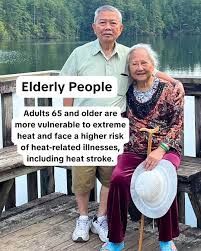
I'm 81 years old and was told very abruptly to sit outside (in the 97-degree heat) until he was checked in. I was not allowed to sit in the waiting room.
When I was finally allowed to sit inside, I could hear the receptionist asking personal questions "Are you bleeding?" to a young woman. (What about privacy rules?)
When i was able to go see him, there was no chair in the room. I asked nicely if I could have one, but the employee totally ignored my request.
My husband has a health issue that has taken him to many Emergency Rooms (ERs) and wonderful hospitals across the country. He said this was the most unprofessional hospital he has ever been in.
He made several minor requests (blanket, etc.) that were ignored and had to be asked several times. And no, they were not overly busy.
Protecting Older Adults From the
Growing Threats of Extreme Heat
Extreme heat is a serious climate and health threat that is rapidly worsening. The summer of 2023 was the hottest since recording began in 1850 and, based on a recent study of ancient trees, the hottest summer in the Northern Hemisphere in at least the past 2,000 years.
In 2023, Earth’s temperature officially exceeded 1.5 degrees Celsius warmer than pre-industrial times, a marker climate experts say could lead to catastrophic ecological consequences if sustained.
Unfortunately, this year’s temperatures have already broken more heat records and are trending hotter than last summer --- July 22, 2024, was the hottest day on record according to data from NASA.
Heat waves are becoming more frequent, more intense, are lasting longer, and are leading to more injuries, illnesses, and deaths than any other weather hazard.
Based on data from 2016 to 2020, the Center for American Progress estimates that each summer, heat events are responsible for nearly 235,000 emergency department visits, 56,000 hospital admissions, and $1 billion in additional health care costs.
Policymakers must improve heat resilience among older Americans, who face higher risks of extreme heat-related health conditions and deaths, and strengthen the social support and health care systems serving this growing share of the population.
A few quotes from the report:
- A two-day blackout in a city such as Phoenix would lead to roughly half the population requiring emergency care and 13,000 people dying.
- Only Florida, California, Colorado, and South Dakota require assisted living facilities, which are state-regulated entities, to have an emergency power source.
- Hospitals rank as the second most energy-intensive building types in the United States and regularly emit pollution that compromises public health.
- As extreme heat continues to worsen, policymakers must work to mitigate harms to older adults. These efforts must consider older adults’ unique health conditions, needs, and social conditions—such as energy insecurity, housing quality issues, and social isolation—which elevate their risk of poor health outcomes.
Read the
full report.
Patient-206 went to Sunrise Hospital by ambulance on June 9, 2026. They forced his 81-year-old wife to wait outside in 97-degree heat. Staff was very unprofessional and would not respond to even simple requests for assistance such as a blanket for the patient or a chair for his wife.